
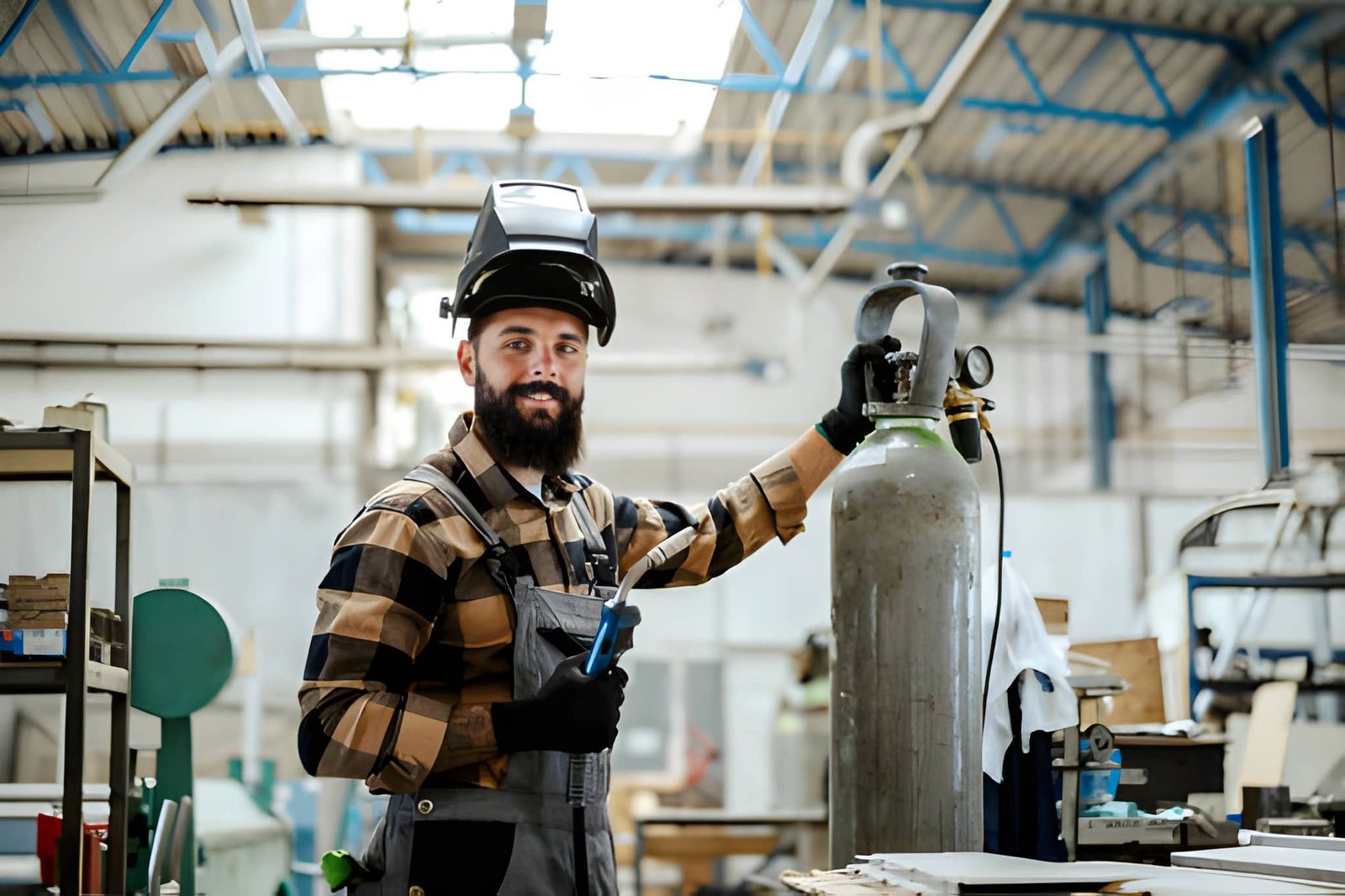
If you've spent years cutting, welding, fitting and fabricating metal components on the job, you may already have the skills that match a recognised fabrication trade qualification — without ever setting foot in a classroom. This RPL pathway is designed for experienced fabrication workers who want their existing know-how formally assessed and recognised.
This pathway suits boilermakers, welders, metal fabricators, fitters and fabrication trade assistants who have built genuine hands-on experience over time. Whether you learned on a workshop floor, through a previous apprenticeship you didn't finish, or through years of steady tradework, your experience may count.
Please note that RPL Access Australia is not a Registered Training Organisation (RTO). We are an independent consulting and support service that helps you prepare your evidence and connects you with a partner RTO, who makes the final assessment decision and issues any qualification outcome.
RPL for Fabrication Trade Workers
Recognition of Prior Learning (RPL) is a formal process that allows experienced fabrication workers to have their existing skills and knowledge assessed against a nationally recognised qualification standard. Instead of repeating training you've effectively already done on the job, RPL focuses on gathering evidence of what you can actually do.
Who This Pathway Suits
- Boilermakers and metal fabricators working in workshops, sheds or on-site
- MIG, TIG and stick welders with several years of hands-on experience
- Fitters and fabrication trade assistants who have picked up broad skills informally
- Workers who started an apprenticeship but didn't complete the formal paperwork
- Labour hire and contract fabrication workers moving between sites and employers
- Migrants with overseas fabrication trade experience seeking Australian recognition
What This Pathway Recognises
- Reading and interpreting engineering drawings and work instructions
- Cutting, shaping and forming metal using hand and power tools
- Welding, brazing and joining processes across common methods
- Fitting, assembling and aligning fabricated components
- Using measuring equipment and checking work against specifications
- Working safely with fabrication equipment, machinery and materials
- Basic quality checks, fault-finding and rework on fabricated items
How the RPL Process Works
- Tell us about your experience — we start with a simple conversation about the fabrication work you've done, your roles, and the tools and processes you're familiar with.
- Prepare your evidence — with our help, you pull together documents and proof that demonstrate your skills, matched against what the qualification requires.
- Connect with a partner RTO — your evidence is reviewed by a Registered Training Organisation, who may also ask for a practical demonstration or short interview.
- Receive your outcome — the RTO determines whether you meet the requirements for full or partial recognition, and outlines any remaining gaps if needed.
Why RPL Beats Repeating Study
Fabrication trade workers often already have years of real-world capability that formal training would simply repeat. RPL avoids unnecessary time away from paid work, reduces training costs, and respects the experience you've already built. Rather than sitting through content you've long since mastered, RPL lets your actual workplace performance speak for itself.
For many tradespeople, this pathway is also about opening doors — whether that's meeting a licensing requirement, satisfying an employer's qualification standard, or simply having formal proof of the skill level you've operated at for years.
Evidence You May Need
RPL assessment is conducted by an RTO. The following types of evidence are commonly discussed during RPL support consultations.
Every person's evidence portfolio looks a little different, but for a fabrication trade RPL pathway, assessors typically look for a combination of the following:
- Photo identification
- An up-to-date resume or work history/CV
- Employer reference letters describing your fabrication duties and responsibilities
- Payslips, rosters or employment contracts confirming your work history
- Any relevant certificates, licences or training records (e.g. ticket courses, welding tickets)
- Your Unique Student Identifier (USI) — you can create or find yours at usi.gov.au
- Photos and videos of your fabrication work activities, completed jobs, or workshop setups, where possible
The more evidence you can provide showing real fabrication tasks — cutting, welding, fitting, assembling — the stronger your RPL application will be.
How RPL Access Australia Can Help
RPL Access Australia supports you at every stage of the fabrication RPL journey:
- Reviewing your fit — we have an initial conversation to understand your fabrication background and whether RPL is a realistic pathway for you.
- Building a tailored checklist — we map your experience against what's typically required and give you a clear, personalised list of documents and evidence to gather.
- Checking evidence completeness — before anything is submitted, we review what you've collected and flag any gaps or weak spots.
- Liaising with the RTO — we act as the go-between, coordinating communication with the partner Registered Training Organisation on your behalf.
- Explaining outcomes in plain language — if there are gaps identified by the assessor, we help you understand exactly what they mean and what your options are.